
In short: It depends on where you are. Only a handful of jurisdictions in Australia and the Pacific have a working framework for online gambling: Australia licenses online wagering and lotteries but bans online casino games, New Zealand began a licensed online casino regime in 2026, and Vanuatu and Samoa issue interactive gaming licences. Most Pacific island states either prohibit gambling outright or have laws that pre-date the internet and license nothing online, so check the individual country guide before drawing conclusions.
Key points
- There is no single regional rulebook. Each country, and in several cases each overseas territory or sub-national state, sets its own gambling law.
- Australia prohibits online casino games, online pokies and in-play online betting under the Interactive Gambling Act 2001, while state and territory licences cover pre-event wagering and lotteries. A major reform package passed Parliament on 19 August 2026, with most measures due on 1 January 2027.
- New Zealand‘s Online Casino Gambling Act 2026 commenced on 1 May 2026 and allows up to 15 online casino licences, with the first licences expected in early 2027. Online racing and sports betting is limited to TAB NZ.
- Outright prohibition is common, notably in Tonga, the Marshall Islands, Palau, Guam and American Samoa.
- Many small island states have no gambling regulator at all; ministers, police or tax officials administer old statutes, and no online licence category exists.
- Outside Australia and New Zealand, self-exclusion schemes and gambling helplines are largely absent.
- A country-code domain such as .tv, .nu or .pn is not a gambling licence from that territory.
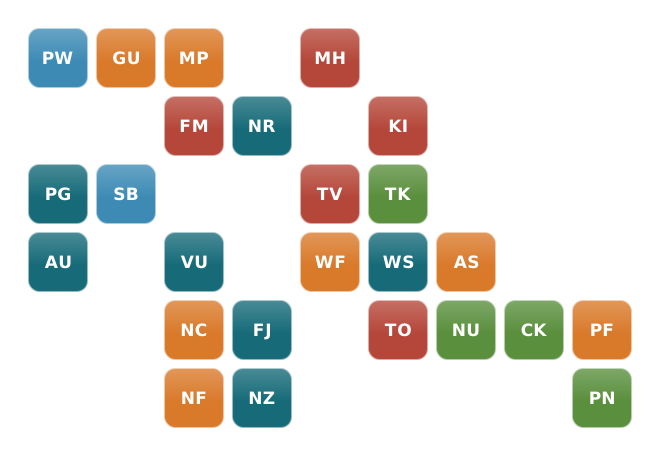
Gambling models at a glance
- Licensing regimes (7)
- Restricted access and tight caps (2)
- Prohibition models (5)
- Territories that follow a metropolitan state's law (7)
- New Zealand realm and British territory (4)
Licensing regimes 7
Casinos, betting and other gambling are licensed under national law.
Restricted access and tight caps 2
Licensing systems designed to keep local residents away from casinos.
Prohibition models 5
Gambling is banned apart from narrow exceptions such as raffles and lotteries.
Territories that follow a metropolitan state's law 7
Territories where US, French or Australian law shapes the rules.
New Zealand realm and British territory 4
Islands linked to New Zealand or the United Kingdom, whose statutes do not extend to them.
How gambling is regulated across Australia and the Pacific

Licensing regimes
Australia has the region’s most developed system. Land-based casinos, gaming machines, lotteries, keno and wagering are licensed and supervised by state and territory regulators, while the Commonwealth sets the rules for interactive gambling through the Australian Communications and Media Authority (ACMA). New Zealand works from a “prohibited unless authorised” starting point under the Gambling Act 2003, which also bars new casino venue licences; the Department of Internal Affairs (DIA) is the operational regulator and the Gambling Commission decides casino licensing matters.
Several island states also license gambling, although the frameworks are narrow. Vanuatu regulates casinos, gaming machines, lotteries and interactive gaming through four statutes administered by the Department of Customs and Inland Revenue. Samoa‘s Gambling Control Authority licenses casinos, interactive gaming, lotteries and bingo and runs the national lottery, while the Gaming Control Act 2017 declares all other forms of gambling illegal. Papua New Guinea‘s Gaming Control Act 2007 makes any game not authorised by the National Gaming Control Board unlawful; no casino was operating as of October 2026. Nauru‘s Gaming Act 2011 offers five land-based licence categories decided by a departmental Secretary, and only one licensed operator was identified. In Fiji, the Gaming Act 2009 makes the Attorney-General the licensing authority, but no casino has ever operated and the government has said no casino licence will be issued until a casino policy is adopted.
Restricted access and tight caps
Some licensing systems are designed to keep local residents away from casinos. Samoa admits only foreign passport holders who are hotel residents to its casinos, and the Solomon Islands limits permitted casino gaming in hotel complexes to overseas visitors and club members, with no more than two commercial gaming permits in Honiara. Palau’s offshore-facing internet concessions must block access from within Palau and bar Palauan citizens.
Prohibition models
Tonga still relies on the Criminal Offences Act of 1926; the only licences issued are for raffles and lotteries, and no casino has ever been licensed. The Marshall Islands’ Gaming and Recreation Prohibition Act 1998 bans all gaming except permitted non-profit bingo, raffles and cakewalks, and a 2025 amendment made breaches a third-degree felony. Palau’s Penal Code criminalises gambling, and voters rejected casino gaming in a 2011 referendum. Kiribati and Tuvalu apply colonial-era gaming and lotteries statutes that declare lotteries unlawful and ban gaming machines, subject to small fundraising exemptions; Kiribati also has a National Lottery Board. In the Federated States of Micronesia, gambling is left to the four states, all of which restrict it in different ways, and there is no national gambling law or regulator.
Territories that follow a metropolitan state’s law
Three United States territories sit in the region. Guam treats gambling as a misdemeanour subject to narrow exceptions, and voters have rejected casino or gaming proposals in several referendums since 1977. American Samoa permits only occasional religious, educational or charitable bingo and raffles. The Northern Mariana Islands has a constitutional ban on gambling unless authorised by Commonwealth law or popular initiative, alongside separate casino laws for Saipan, Tinian and Rota; all of its land-based casinos are currently closed. In all three, the guides note that federal law, including the Wire Act, the Unlawful Internet Gambling Enforcement Act (UIGEA) and, in American Samoa’s case, the Johnson Act on gaming devices, is relevant.
The French Pacific territories divide competence between the State and local institutions. In New Caledonia, the High Commissioner sets the rules for gaming establishments while the territorial government authorises a small number of named venues in Nouméa. French Polynesia may set rules for casinos, lotteries and betting within State control rules, but has no licensed casino; lawful gambling is mainly lottery draw and scratch games run under a convention with the French national lottery operator. Wallis and Futuna applies French law only where expressly extended, and no local licensing register was found.
Norfolk Island, an Australian external territory, is covered by the Interactive Gambling Act. Its 1998 gaming and bookmaking laws remain on the books, but since 1 April 2017 no one may run interactive gaming, internet lotteries or bookmaking there, and no new licences can be granted.
New Zealand realm and British territory
New Zealand statutes, including the 2026 online casino law, do not extend to the Cook Islands, Niue or Tokelau. The Cook Islands’ Gaming Act 1967 is restrictive and permit-based, and casinos are prohibited. Niue allows only small permit-based community gaming issued by the Chief of Police. Tokelau’s only gambling provision makes it an offence to play cards or dice for money. The Pitcairn Islands, a British Overseas Territory of around fifty people, has no gambling ordinance at all, and the UK Gambling Act 2005 does not extend there.
Online gambling
Only four jurisdictions in the region have an operational route to licensing online gambling. In Australia, online wagering on racing and sport placed before an event, and online lottery sales, are lawful only with a state or territory licence. The Interactive Gambling Act targets providers and advertisers rather than players, and the Australia guide notes that no player has been prosecuted under it. ACMA blocks illegal sites and had requested blocks on 1,751 since November 2019, as of June 2026. The 2026 reform package adds payment blocking for illegal operators, faster blocking powers and bans on online keno and foreign matched lotteries.
New Zealand’s 2026 Act provides for up to 15 online casino licences allocated through a competitive process, with the Secretary for Internal Affairs as licensing authority. Providers that served New Zealand before 1 May 2026 may continue under transitional rules, without advertising, until 1 December 2026. DIA states that playing on an overseas website is not illegal for individuals, except for racing and sports betting, which only TAB NZ may offer online.
Vanuatu and Samoa both issue interactive gaming licences. Vanuatu’s appears designed mainly for operators serving foreign markets; since July 2024 applications have been processed by a private company acting as the government’s exclusive agent, and the guide found no official register of licensees. Samoa’s licences are issued under section 88A of the Casino and Gambling Control Act 2010, but no public register was found. Palau’s concession scheme covers only internet “virtual pachinko” and digits lottery games for players outside Palau, and no award had been announced under the 2024 round.
Elsewhere, online gambling is generally neither licensed nor expressly addressed. In the Northern Mariana Islands, a Tinian local law in force since May 2025 allows up to 11 internet gaming licences, but the governor and Attorney General consider it legally deficient and no licence has been reported. Fiji’s tax guidance lists “remote interactive gaming” as a licensable class, yet no licence has been found. In Papua New Guinea the position is unsettled, and a Gaming Control Bill went to consultation in 2025. In most other states and territories the legislation pre-dates the internet, there is no blocking or payment-control regime, and players using offshore sites have no local regulator or dispute route. In the French territories, it is unconfirmed whether the 2010 French online gambling law and the Autorité nationale des jeux (ANJ) apply.
There is no regional gambling regulator. The most consistent cross-border scrutiny comes through anti-money laundering work, chiefly the Asia/Pacific Group on Money Laundering (APG). Vanuatu remained on the EU’s list of high-risk third countries after amendments on 9 January 2026, and its APG mutual evaluation, which treats online gaming as a high-risk area, is under way. Niue’s evaluation was published in 2025 and Tuvalu’s is expected in 2027.
Taxes and player protection
Where gambling is taxed, the burden falls on operators rather than players. Australian states and territories tax gaming machines, casinos, lotteries, keno and wagering. New Zealand has charged a 12% offshore gambling duty since 1 July 2024, rising to 16% on 1 January 2027, alongside domestic gaming duties and a problem gambling levy. Fiji applies a 15% Gambling Turnover Tax on stakes. Papua New Guinea taxes casinos at 20% of taxable profit plus two 5% levies, and Samoa charges casinos 15% of monthly gross profit. Vanuatu’s Interactive Gaming Act caps the tax at 18% of gross profit, or 5% of turnover for fixed-odds wagering. New Caledonia applies separate rates to table games, slot machines, bingo and off-course pari mutuel betting, plus provincial surcharges. Palau’s internet concessions carry a minimum fee of 4% of gross revenue. In many smaller states there is no gambling tax at all because commercial gambling is prohibited or absent.
Players’ winnings are generally untaxed or not specifically addressed. Guam is the main exception: its territorial income tax mirrors the US system, so winnings are taxable and losses deductible only by itemisers, up to the amount of winnings.
Player protection is concentrated in Australia and New Zealand. Australia’s national self-exclusion register, BetStop, launched on 21 August 2023 and passed 65,400 registrations by June 2026, and licensed wagering providers have been barred from accepting credit cards and digital currency since 11 June 2024. The 2026 reforms add advertising limits, including caps on daytime television advertising, no gambling advertising during live sport and bans on celebrity and influencer promotion. New Zealand’s Online Casino Gambling Regulations 2026 require limit-setting, breaks in play, self-exclusion and bans on autoplay and credit-based payments. Elsewhere, protection rests mainly on prohibition, age limits (typically 18; 21 in Samoa and for CNMI casino areas) and caps on prizes and stakes. The guides for most island states found no self-exclusion scheme or gambling-specific helpline.
Recent developments (2025–2026)
- 19 May 2025: Tinian Local Law 24-03 took effect in the Northern Mariana Islands over the governor’s veto, allowing up to 11 internet gaming licences; no licence has been reported.
- 20 May 2025: A Conseil d’État opinion (No. 409474) on French Polynesia confirmed that the State controls the general prohibition on gambling and its exceptions, and that national law does not on its own permit online club games such as poker there.
- 28 June 2025: TAB NZ became the only lawful online racing and sports betting provider in New Zealand.
- August 2025: Papua New Guinea’s National Gaming Control Board consulted on a Gaming Control Bill 2025; no report of it being tabled was found by October 2026.
- 1 October 2025: The Marshall Islands’ Nitijela passed an amendment making gambling a third-degree felony, with fines of up to US$5,000 and up to 35 months’ imprisonment.
- Early April 2026: A citizen initiative to allow limited electronic gaming at bingo facilities in Guam was submitted to the Guam Election Commission; it excludes internet gaming.
- 1 May 2026: New Zealand’s Online Casino Gambling Act 2026 commenced, after Royal assent on 28 April; regulations followed on 2 June 2026.
- 19 August 2026: Australia’s Parliament passed the Interactive Gambling Amendment (Gambling Reform) Bill 2026, with most reforms scheduled to commence on 1 January 2027.
Country-by-country summary
| Country | Legal model | Online gambling | Regulator |
|---|---|---|---|
 Australia | State licensing; federal online rules | Betting only (plus lotteries; casino games banned) | ACMA; state and territory regulators |
 New Zealand | Restrictive licensing | Licensed (casino licences from 2027; betting TAB NZ only) | DIA; Gambling Commission |
 Fiji | Licensing law; no casino operating | See guide | Attorney-General’s Office |
 Vanuatu | Licensing, incl. interactive gaming | Licensed | Director of Customs and Inland Revenue |
 Papua New Guinea | Licensing (Gaming Control Act 2007) | Not licensed (no framework); unsettled | National Gaming Control Board |
 Samoa | Restricted licensing | Licensed (interactive gaming licence) | Gambling Control Authority |
 Solomon Islands | Prohibition with permit exceptions | Not licensed (no framework) | Gaming and Lotteries Board |
 Tonga | Prohibition (1926 Act) | Prohibited (player position untested) | None; Minister of Police for raffles |
 Northern Mariana Islands | Constitutional ban; island casino laws | Prohibited (Tinian law untested) | Island commissions; CCC status contested |
 Guam | Prohibition with charitable exceptions | Prohibited | None; DRT issues permits |
 Palau | Prohibition; offshore-only concessions | Prohibited (offshore-facing concessions only) | None; Ministry of Finance |
 New Caledonia | Closed authorisation; State–territory split | Not licensed (no framework) | No single regulator |
 French Polynesia | Shared State–territory competence | Not licensed (no framework); lottery online | None dedicated |
 Micronesia (FSM) | State-level restrictions | Not licensed (no framework) | None |
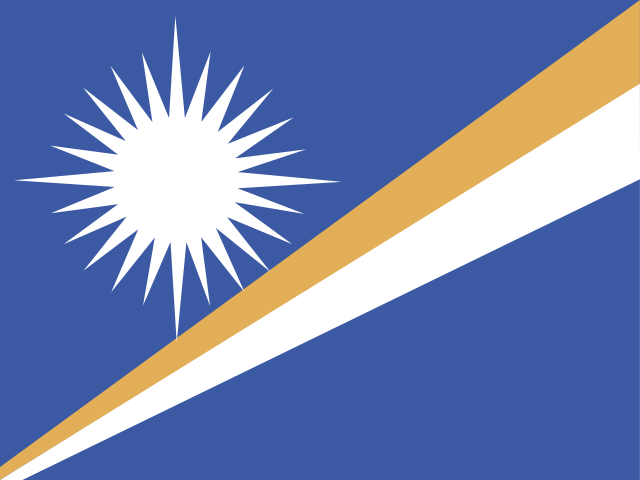 Marshall Islands | Prohibition (felony since 2025) | Prohibited | None; police enforce |
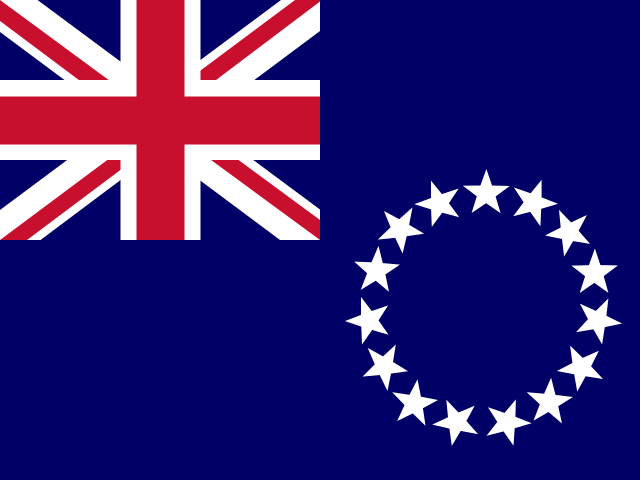 Cook Islands | Restrictive, permit-based | Not licensed (no framework) | None; Police administer Act |
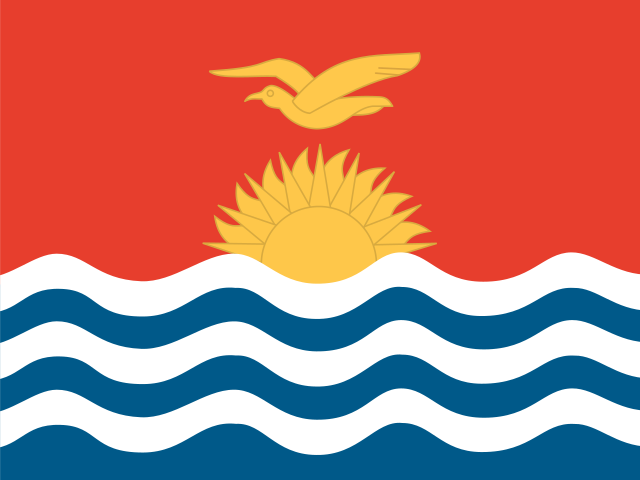 Kiribati | Prohibition with exemptions | Not licensed (no framework); likely unlawful | Minister; National Lottery Board |
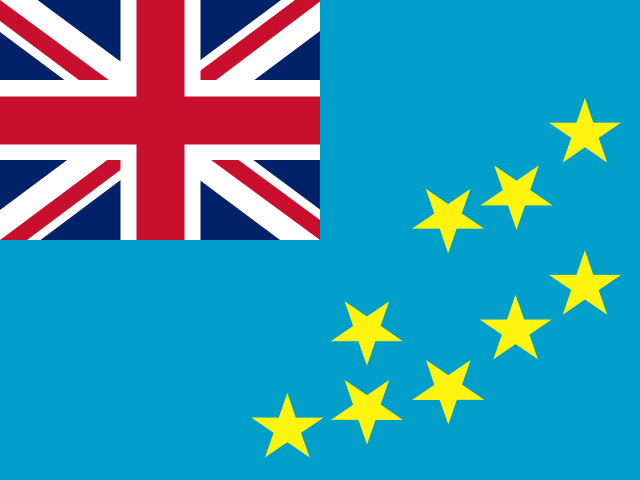 Tuvalu | Prohibition with narrow exemptions | Not licensed (no framework) | None; Minister |
 Nauru | Licensing (Gaming Act 2011) | Not licensed (no framework) | Departmental Secretary |
 American Samoa | Prohibition; charitable bingo only | Prohibited | None; police and courts |
 Wallis and Futuna | French law, legislative specialty | Prohibited (in practice) | None locally |
 Niue | Community permits only | Not licensed (no framework) | None; Chief of Police permits |
 Norfolk Island | Australian Commonwealth law applies | Follows Australian law | ACMA |
 Tokelau | Narrow cards-and-dice offence | Not licensed (no framework) | None |
 Pitcairn Islands | No gambling law | Not licensed (no framework) | None |
For other jurisdictions, see the country directory.
Sources and further reading
Each country guide linked above lists its own primary sources.
- Asia/Pacific Group on Money Laundering, Mutual evaluations (2026; accessed 14 October 2026).
- Asia/Pacific Group on Money Laundering, APG members (2026; accessed 14 October 2026).
- Australian Communications and Media Authority, Latest illegal online gambling websites blocked (2025; accessed 14 October 2026).
- Department of Internal Affairs (New Zealand), Online Casino Gambling (2026; accessed 14 October 2026).
- Department of Internal Affairs (New Zealand), Gambling (2026; accessed 14 October 2026).
- Autorité nationale des jeux, Un régulateur au service d’un jeu sûr, intègre et maîtrisé (2025; accessed 14 October 2026).
- European Commission, Anti-money laundering and countering the financing of terrorism at international level (2026; accessed 14 October 2026).
- Pacific Islands Legal Information Institute, Fiji: Gaming Decree 2009 (2009; accessed 14 October 2026).
- Pacific Islands Legal Information Institute, Solomon Islands: Gaming and Lotteries Act (Cap. 139) (consolidation; accessed 14 October 2026).
- iGaming Business, New Zealand regulator seeks operator interest in regulated iGaming market (2025; accessed 14 October 2026).
Last reviewed: 14 October 2026.